
Ted lasso
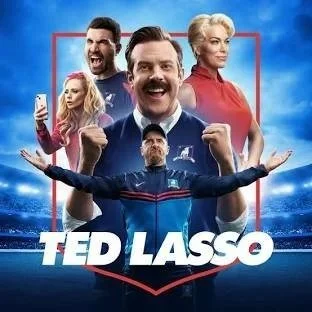
You know what the happiest animal on earth is? It’s a goldfish. You know why? Got a ten-second memory.” Ted Lasso season 1 episode 2
This quote demonstrates Ted Lasso’s unique coaching philosophy: he inspires players to believe in themselves and face challenges with optimism. His overall approach highlights the importance of resilience and self-confidence in sports and life.
In celebration of the World Cup, I want to explore how Ted Lasso represents a new kind of coach—one who leads with compassion, equality, and encouragement. The show follows an inexperienced American coach taking over a Premier League team and quickly establishing a positive culture based on respect, empathy, and recognizing each player's value. Ted’s gentle leadership style and motto bring out each person’s strengths and reinforce the belief that everyone matters.
Throughout the series, Ted Lasso shows the male struggles of being an athlete and being human. The series itself goes. Through the struggles of humans running a club, from the players' mental health to the coaches' outputs and his struggles, he was dealing with. Yes, the show is fictional, but we all look at males dealing with these things, a non-confrontational outlook that men do not go through these struggles. That being said, let's look at the show and how it relates to Cixous feminist theory....
To explore this connection, Ted Lasso illustrates ideas similar to those of Hélène Cixous, a French feminist writer and philosopher. Cixous discusses how gender roles have been limited by traditional binaries, such as masculine/feminine and active/passive. She argues that these binaries shape people's understanding of both men and women. The show reflects this perspective through its portrayal of gender and leadership.
symbolic, which is no more privileged than “woman” as a signifier. In an important footnote, Cixous explains that men’s sexuality, like women’s, has been defined and circumscribed by binary oppositions (active/passive, masculine/feminine), and that heterosexual relations have been structured by a sense of otherness and fear created by these absolute binaries.
The show uses this example of heterosexuality in season 1, showing that there is more to a person than just their sex if you watch closely in the relationship. Jono Temple (Keyleey Jones) and Phil Dunster (Jamie Tarrt) are not meant for each other. Keleey is happier and positive, a famous model who wants the best for Tarrt. Tarrt is a hot head and is in a situation where he's too smart for his own good. Tart has a problem tho he is a smartass, he is the classic male superstar who was always degrading others until a coach of Ted Lasso came in, he still didn't treat others, even with Keyleey by his side. He slowly pushed
Going further, in her analysis, Cixous notes that as long as male sexuality is defined in these limited and limiting terms, men will remain prisoners of a Symbolic order that alienates them from their bodies in ways similar to (though not identical with) how women are alienated from their bodies and their sexualities. Thus, while Cixous does criticize men for being patriarchal oppressors, she also identifies the very structures that enforce gender distinctions as being oppressive to both sexes.
Ted Lasso demonstrates that male identities can include both traditionally masculine and feminine qualities. The show reveals the complexities of the male experience, especially under pressure as leaders, teammates, fathers, and coaches. Ultimately, it argues that embracing a full human experience—including vulnerability and responsibility—makes one a better person and leader.
“For me, success is not about the wins and losses. It's about helping these young fellas be the best versions of themselves on and off the field." — Ted
